

Exporting goods from Oman to international markets requires careful planning, accurate documentation, suitable transportation, and coordination between multiple parties. From preparing cargo at the warehouse to completing export procedures and arranging international freight, every stage plays an important role in moving goods towards their destination.
Marsa Shipping provides export logistics services in Oman to support businesses with international cargo movement and related freight coordination. Whether you are exporting commercial goods, raw materials, machinery, or containerised shipments, the right logistics plan depends on your cargo, destination, delivery timeline, and applicable export requirements.
Our approach focuses on coordinating the different stages of the export process to help businesses manage their shipments more efficiently.
Export logistics involves more than transporting goods to a port or airport. Businesses must prepare cargo, verify shipping details, arrange freight, complete applicable export procedures, and coordinate transportation to the destination.
Marsa Shipping supports export-related logistics requirements, including:
International sea, air, and road freight coordination
Export cargo transportation
Shipping documentation support
Customs procedure coordination
Port and terminal coordination
Cargo handling and transportation arrangements
Multimodal freight planning
Warehousing and delivery coordination, where required
The services needed for each shipment depend on the type of goods, origin, destination, transport route, and regulatory requirements.
Sea freight is a commonly used option for exporting larger commercial shipments and containerised cargo. It can be suitable for machinery, industrial materials, consumer products, and other goods that can be transported by sea.
Businesses may choose between Full Container Load (FCL) and Less than Container Load (LCL), depending on shipment volume and requirements.
FCL may be appropriate when the cargo uses an entire container, while LCL can be considered when goods share container space with other shipments.
When planning export sea freight, businesses should consider the destination, vessel schedule, cargo dimensions, port arrangements, documentation, and onward transportation.
Marsa Shipping can help coordinate sea freight requirements as part of the wider export logistics process.

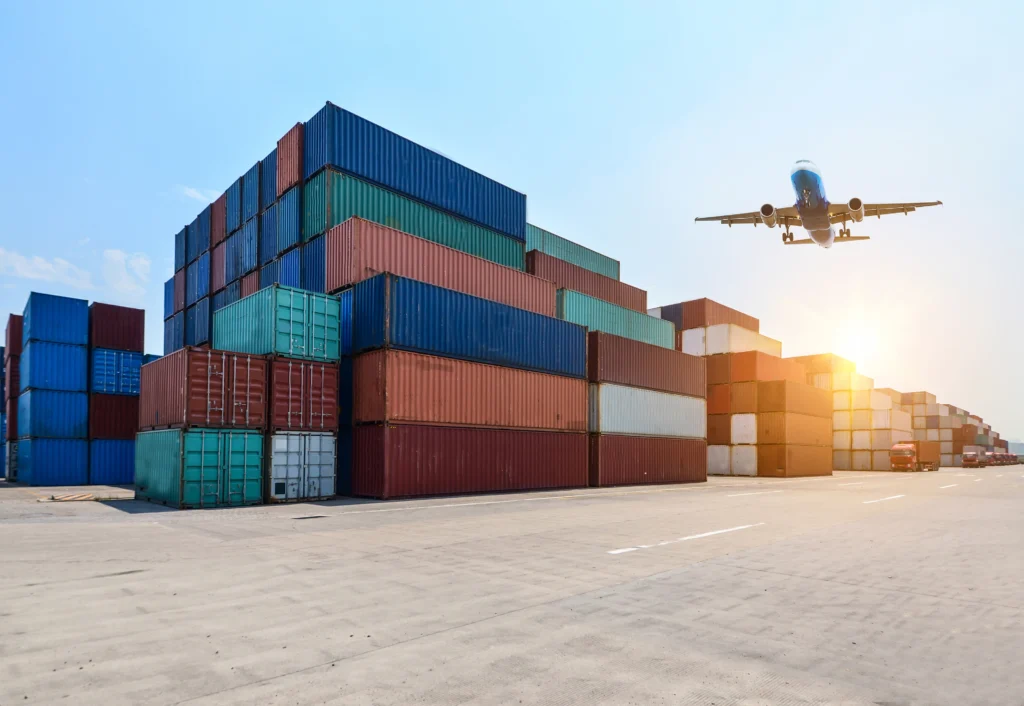
Air freight may be suitable for exports where transit time is a major consideration. Businesses may use it for urgent consignments, samples, selected high-value goods, or other cargo requiring faster transportation.
However, air freight can cost more than sea freight for many shipments. Exporters should compare the urgency of the shipment with the transportation budget, cargo characteristics, destination, and delivery requirements.
Proper cargo information and timely document preparation are important for coordinating air freight shipments.
Road freight can support cargo movement from Oman to suitable regional destinations, including GCC markets, subject to route availability and applicable border procedures.
It can be useful for commercial goods, scheduled deliveries, and shipments that require direct inland transportation.
Businesses should plan vehicle availability, cargo readiness, border documentation, transportation schedules, and final delivery arrangements before dispatch.
For shipments involving more than one transportation mode, road freight can also connect warehouses with ports, airports, or other logistics facilities.
Export documentation is an essential part of international cargo movement. Inaccurate or incomplete paperwork can result in additional checks, shipment disruption, or delays.
Depending on the goods and destination, export shipments may require:
Commercial invoice
Packing list
Bill of lading or air waybill
Certificate of origin
Export declarations and customs documents
Product-specific permits or certificates, where applicable
Requirements vary according to the cargo, destination country, applicable regulations, and any restrictions or controls that apply to the product.
Marsa Shipping supports the coordination of shipping documentation and export-related customs procedures as part of the logistics process. Exporters should verify the applicable requirements before dispatch and arrange any required approvals in advance.
Oman’s ports, including Sohar, Salalah, and Duqm, support different shipping routes and cargo requirements. Selecting a suitable port depends on factors such as the exporter’s location, destination, available services, vessel schedules, cargo type, and inland transportation needs.
Before cargo reaches the port, businesses should confirm that the shipment is ready, the documents are accurate, and transportation has been scheduled appropriately.
Port and terminal procedures, cargo receiving requirements, and shipping cut-off times should also be considered.
Once the export procedures and loading arrangements are completed, the cargo can proceed through the planned international transportation route.
A structured export plan can help businesses reduce avoidable issues and coordinate shipments more effectively.
1. Confirm cargo details. Check the goods, quantity, weight, dimensions, packaging, and readiness date.
2. Understand destination requirements. Review relevant import rules, product restrictions, documentation requirements, and permits for the receiving country.
3. Choose suitable transportation. Compare sea, air, and road freight based on cost, transit time, cargo type, and delivery expectations.
4. Prepare documents early. Ensure that invoices, packing lists, and other required documents contain accurate and consistent information.
5. Plan the complete journey. Consider warehouse pickup, port or airport delivery, international freight, destination procedures, and onward transportation.
6. Maintain communication. Keep suppliers, freight forwarders, carriers, and receiving parties informed about schedules and shipment updates.
These steps help establish a more organised process from cargo preparation to international dispatch.
Marsa Shipping supports businesses managing export cargo from Oman to regional and international destinations.
Our logistics approach considers the different stages of export shipments, including freight coordination, documentation, customs-related procedures, port coordination, and transportation arrangements.
By considering the complete cargo journey, businesses can better understand their logistics requirements and plan the movement of goods according to their operational needs.
Every export shipment is different. The appropriate solution depends on the cargo, destination, shipping route, delivery timeline, and applicable regulations.
Successful exporting requires more than finding a carrier. It involves preparing cargo correctly, understanding destination requirements, arranging suitable freight, and coordinating the different stages of transportation.
Whether you are exporting containerised cargo, commercial products, industrial materials, or other goods from Oman, Marsa Shipping can support your export logistics requirements.
Contact Marsa Shipping to discuss your shipment details and plan a suitable logistics solution for your export cargo.
Export logistics services cover the activities involved in moving goods from Oman to another country. Depending on the shipment, these may include freight coordination, export documentation, customs procedures, port coordination, cargo transportation, and delivery planning.
Businesses can consider sea freight, air freight, or road freight, depending on the cargo type, destination, urgency, shipment volume, and available routes. Multimodal transportation may also be suitable when a shipment requires multiple transport methods.
Common documents may include a commercial invoice, packing list, bill of lading or air waybill, certificate of origin, and relevant export or customs documents. Additional permits or certificates may be required for specific goods or destinations.
Marsa Shipping supports the coordination of export documentation and customs-related procedures as part of the logistics process. Exact requirements depend on the goods, destination, and applicable regulations.
Sohar, Salalah, and Duqm are among Oman's important ports. The appropriate port depends on the cargo, destination, shipping schedules, route availability, and inland transportation requirements.
Businesses should generally provide the cargo description, quantity, weight, dimensions, pickup location, destination country, expected shipping date, and any special handling or documentation requirements. This information helps determine suitable freight and logistics arrangements.
Our approach focuses on coordinating the different stages of cargo movement rather than looking at transportation as an isolated activity.
Businesses can benefit from support with road, sea, and air freight coordination, documentation, customs procedures, port-related logistics, and delivery arrangements.
The suitable transportation solution will always depend on the specific shipment. By understanding the cargo and its complete journey, businesses can make more informed logistics decisions.
Get the latest shipping and logistics updates delivered to your inbox.
Efficient freight forwarding with end-to-end supply chain solutions for Oman’s trade and logistics.
Copyright © 2026 Click Crafters Technology. All Rights Reserved.