

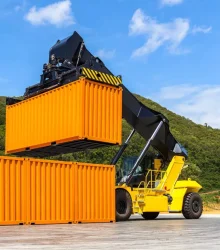
Marsa International Shipping LLC is a leading shipping and logistics company in Oman, offering reliable air freight, sea freight, GCC land transport, customs clearance, and freight forwarding services to businesses across Oman and international markets.
Managing the movement of goods is an important part of running a business. From transporting products and storing inventory to processing orders and arranging deliveries, logistics involves several activities that need to work together. When these tasks become difficult to manage internally, businesses may choose to work with a third-party logistics provider.
Third-party logistics (3PL) allows companies to outsource selected logistics activities to an external service provider. Depending on the provider and agreement, these activities may include transportation, warehousing, inventory handling, order fulfilment and distribution.
Understanding how 3PL works can help businesses make informed decisions about logistics costs, operational efficiency and supply chain management.
Third-party logistics, commonly known as 3PL, is a business arrangement in which a company uses an external provider to manage some or all of its logistics operations.
Instead of organising every logistics activity using its own staff, vehicles, warehouses and systems, a business can outsource selected functions to a specialist provider.
For example, a retailer may manage purchasing and sales internally but use a 3PL provider to store products, prepare customer orders and arrange deliveries. A manufacturer may outsource transportation and warehousing to help move finished products from its production facility to distributors.
The exact services depend on the provider’s capabilities and the agreed scope of work. Some 3PL companies focus mainly on transportation, while others offer a broader combination of storage, fulfilment and distribution services.
The 3PL process generally begins when a business identifies its logistics requirements and selects a suitable provider. The two parties agree on responsibilities, service expectations, costs and communication procedures.
The process may involve the following stages.
The first step is to identify what the business needs to outsource. This may include domestic transportation, international freight, storage, inventory handling, order fulfilment or final delivery.
The provider needs information about cargo types, shipment volumes, delivery locations, order frequency and any special handling requirements to assess suitable service options.
Once the requirements are established, the 3PL provider arranges the agreed transportation activities. Depending on the service, this may involve road, sea or air freight, route planning, carrier coordination and delivery scheduling.
For international shipments, additional coordination may be needed for transport documents, customs procedures and communication between the parties involved.
Where warehousing is included, goods may be received, stored and prepared for the next stage of distribution. The provider’s responsibilities could include recording received stock, maintaining inventory records, picking products and preparing orders.
Storage capacity, inventory systems, security arrangements and handling capabilities vary between providers. Businesses should confirm that the proposed facilities and processes suit their products.
For businesses that sell products to customers or distributors, 3PL services may include picking items from inventory, packing orders, labelling packages and preparing them for dispatch.
The specific fulfilment process depends on the provider’s systems and the agreement with the business. Clear communication between sales, inventory and logistics teams helps ensure that orders are processed using accurate information.
After an order or shipment is prepared, the provider coordinates delivery to the agreed destination. This could be a retail outlet, distributor, project site, business premises or individual customer.
Delivery performance can be affected by route conditions, shipment readiness, customs processing, recipient availability and other factors. Businesses should establish how delivery updates, exceptions and delays will be communicated.
A 3PL arrangement should include a way to review performance. Depending on the services provided, useful measures may include on-time delivery, order accuracy, inventory discrepancies, damage rates, shipment costs and issue-resolution time.
Regular reviews help businesses identify problems and determine whether the logistics arrangement continues to meet their operational needs.
Third-party logistics services vary, but common offerings include:
Transportation management: Arranging the movement of goods by road, sea or air, depending on available services and shipment requirements.
Warehousing: Coordinating storage and cargo handling for businesses that need space outside their own premises.
Inventory management support: Recording stock movements, monitoring inventory levels and reporting discrepancies where these activities are included in the agreement.
Order fulfilment: Picking, packing and preparing products for dispatch to customers or distribution points.
Freight forwarding: Coordinating international cargo transportation, documentation and communication with relevant transport providers.
Distribution management: Planning and coordinating the movement of goods from storage or production locations to their destinations.
Returns logistics: Managing the transportation and processing of returned goods where the provider offers reverse-logistics services.
Not every 3PL provider offers every service. Before signing an agreement, businesses should check the provider’s actual capabilities, service locations, technology and contractual responsibilities.
Using a 3PL provider can offer several advantages when the arrangement fits the business’s needs.
Logistics providers may have experience coordinating transport, handling shipment documentation and managing distribution activities. This can help businesses understand their options and organise complex logistics requirements.
Businesses with seasonal demand, changing order volumes or expanding markets may benefit from using external logistics capacity rather than managing every activity internally.
The level of flexibility depends on available capacity, service terms and how much notice the provider requires.
Outsourcing selected logistics tasks can allow internal teams to spend more time on sales, customer service, product development, procurement and other business priorities.
A 3PL arrangement may reduce the need for a business to invest directly in vehicles, warehouse space, logistics systems or additional staff. However, outsourcing is not automatically cheaper. Service fees, minimum volumes, storage charges and additional handling costs should be compared with the full cost of managing logistics internally.
Businesses selling to customers across different regions may use a 3PL provider to coordinate transport and distribution across a broader network. For international operations, the provider’s experience with relevant routes and documentation can be particularly useful.
Third-party logistics (3PL) and fourth-party logistics (4PL) differ mainly in the scope of responsibility.
A 3PL provider typically performs or coordinates specific logistics activities, such as transportation, warehousing, fulfilment or distribution.
A fourth-party logistics (4PL) provider generally takes a broader, strategic role in managing and coordinating a business’s supply chain. This may include overseeing several logistics providers, integrating systems and helping manage overall supply chain performance.
The distinction is not always identical across the industry. Some 3PL providers offer broader management services, so businesses should assess the actual scope of work rather than relying only on the label.
Choosing a logistics partner requires more than comparing quotations. Businesses should consider the following factors before making a decision.
1. Service requirements: Confirm whether the provider offers the specific services you need, such as freight forwarding, storage, fulfilment or cross-border transportation.
2. Geographic coverage: Check that the provider can support your origin and destination locations, including any relevant international routes.
3. Industry and cargo experience: Ask whether the provider has experience handling goods similar to yours and can meet any special storage, packaging or transport requirements.
4. Pricing and additional charges: Understand the pricing structure, minimum commitments, storage fees, handling charges and circumstances that may lead to extra costs.
5. Communication and visibility: Ask how shipment updates, inventory information, delivery exceptions and customer enquiries will be managed.
6. Service standards: Establish measurable expectations for delivery, order accuracy, reporting and issue resolution. Confirm which performance indicators will be monitored.
7. Responsibilities and liability: Review the contract to understand who is responsible for documentation, insurance arrangements, cargo claims, customs coordination and other obligations.
A suitable provider should be able to explain its capabilities clearly and show how its services match your business requirements.
3PL may be worth considering when a business is experiencing rising order volumes, expanding into new markets, struggling to coordinate deliveries or spending significant time managing transportation and storage.
It can also be useful when logistics needs fluctuate throughout the year or when the business lacks the internal resources to manage certain activities efficiently.
However, companies with specialised cargo, strict handling requirements or highly integrated internal operations should carefully assess the provider’s capabilities and the risks of outsourcing. Some businesses may prefer to outsource only selected activities while retaining control over the rest of their logistics operations.
The best approach is to identify the operational problem first, compare the available options and evaluate the total cost and expected service quality before making a commitment.
For businesses involved in international trade, logistics planning can include coordinating freight, transportation, shipment documentation and delivery arrangements across different stages of a cargo journey.
Marsa Shipping works in the logistics and shipping sector in Oman. Businesses can discuss their cargo requirements and ask about suitable freight forwarding and transportation arrangements based on the shipment’s origin, destination, cargo type and service needs.
When evaluating any logistics provider, businesses should confirm the specific services available, responsibilities included in the quotation and arrangements for customs and final delivery before booking.
Third-party logistics helps businesses outsource selected logistics activities to an external provider, potentially improving flexibility, supporting wider distribution and allowing internal teams to focus on core operations.
From transportation and warehousing to order fulfilment and freight coordination, the services available depend on the provider and the agreed scope of work. Before choosing a 3PL partner, businesses should assess their needs, compare total costs, verify service capabilities and establish clear performance expectations.
A well-planned logistics arrangement can support smoother cargo movement and help businesses manage their supply chain as their operations grow.
Get the latest shipping and logistics updates delivered to your inbox.
Efficient freight forwarding with end-to-end supply chain solutions for Oman’s trade and logistics.
Copyright © 2026 Click Crafters Technology. All Rights Reserved.