

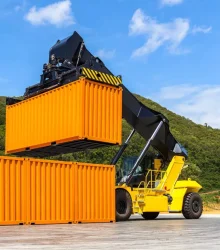
Marsa International Shipping LLC is a leading shipping and logistics company in Oman, offering reliable air freight, sea freight, GCC land transport, customs clearance, and freight forwarding services to businesses across Oman and international markets.
Moving goods between countries involves more than booking transportation. Businesses must coordinate carriers, prepare shipping documents, plan routes, understand customs requirements and arrange cargo delivery. Managing these activities independently can become challenging, particularly when shipments involve multiple locations, transport methods or parties.
This is where freight forwarding plays an important role. Freight forwarders help businesses organise the movement of goods from the place of origin to the destination by coordinating transportation and related logistics activities.
Whether a company imports raw materials, exports finished products or distributes commercial cargo internationally, understanding freight forwarding can help it make better shipping decisions and manage its supply chain more effectively.
Freight forwarding is the process of organising and coordinating the transportation of goods from one location to another, often across international borders.
A freight forwarder acts as an intermediary between the shipper and the different parties involved in moving cargo. Depending on the shipment and the agreed services, these parties may include shipping lines, airlines, road transport operators, ports, customs brokers, warehouses and delivery partners.
A freight forwarder may help select a suitable transport method, arrange cargo bookings, coordinate documentation, communicate shipment updates and organise delivery.
It is important to understand that a freight forwarder does not necessarily own the ships, aircraft, trucks or warehouses used for every shipment. Many forwarders coordinate services through third-party carriers and logistics partners. The precise responsibilities depend on the provider’s business model and contract.
Freight forwarding services vary according to the company, route and cargo requirements. Common services include the following.
Sea freight is commonly used to transport large, heavy or containerised shipments internationally. Freight forwarders can help businesses arrange container bookings, coordinate shipping schedules and organise related cargo movements.
Depending on the shipment, businesses may choose Full Container Load (FCL), where a container is allocated to one shipper’s cargo, or Less than Container Load (LCL), where cargo shares container space with other consignments.
The appropriate option depends on cargo volume, handling requirements, route availability, cost and transit expectations.
Air freight may suit urgent shipments, high-value goods or cargo that needs faster transportation over long distances.
A freight forwarder can coordinate airline bookings, cargo acceptance, documentation and destination arrangements. Businesses should compare the total cost and expected delivery time, including handling and customs procedures, before choosing air freight.
Road freight is used for domestic transportation and suitable cross-border shipments. It can support cargo movements between factories, warehouses, distribution centres, ports and customer locations.
For regional trade, road transportation may be an important part of the overall shipping plan. The route, vehicle capacity, border requirements and delivery location all influence the arrangement.
International shipments may require commercial invoices, packing lists, transport documents, certificates of origin, permits and customs declarations.
Freight forwarders can help coordinate the documentation process and identify information needed for a shipment. However, the exact service varies. Businesses should confirm whether the forwarder prepares declarations, works with an authorised customs broker or only coordinates documents supplied by the shipper.
Importers and exporters remain responsible for ensuring that their transactions comply with the applicable rules, according to their legal obligations and contractual arrangements.
Cargo consolidation combines smaller consignments into a larger shipment where suitable services are available. This can help businesses that do not have enough cargo to fill an entire container.
Consolidation may improve the use of available cargo space, but it can involve additional handling and coordination. Businesses should consider the total cost, transit time and cargo compatibility before choosing this option.
Some freight forwarders coordinate shipments from the collection point to the final delivery address through a network of transport and logistics partners.
Depending on the service agreement, this may include pickup, international freight, customs coordination, inland transportation and delivery. Businesses should confirm which stages are included and which charges or responsibilities remain separate.
Shipment visibility helps businesses plan inventory, inform customers and prepare for incoming or outgoing goods.
Depending on the provider’s systems, freight forwarders may share booking confirmations, estimated arrival information, tracking references and updates about shipment milestones. Tracking availability and the level of detail vary between carriers and service providers.
Although every shipment is different, the freight forwarding process generally follows several stages.
The process begins with collecting shipment information. This usually includes the cargo description, weight, dimensions, package count, origin, destination, required delivery date and any special handling needs.
Accurate information helps the forwarder assess suitable services and prepare a more relevant quotation.
The forwarder evaluates available transportation options based on the cargo, budget, destination and delivery expectations.
For example, a large commercial shipment may be suitable for sea freight, while a smaller urgent consignment may be considered for air freight. Road transportation may be suitable for regional cross-border movements.
The best option should be assessed using the total logistics cost and expected delivery time rather than the freight rate alone.
The quotation may include freight charges, handling, documentation, collection, delivery and other agreed services. Not every quotation includes all these costs, so businesses should review the inclusions, exclusions and possible additional charges.
Once the terms are accepted, the relevant booking and transportation arrangements can be confirmed.
The shipper provides the documents and information required for the transaction. Depending on the shipment, these may include a commercial invoice, packing list, certificate of origin, permits and other supporting records.
The information should be checked for consistency. Incorrect cargo descriptions, values, weights or consignee details may lead to queries and additional processing.
The cargo is collected or delivered to the agreed origin point. It then moves through the selected transport network, which may include a warehouse, port, airport or cross-border transfer point.
The forwarder coordinates the relevant parties according to the agreed service scope.
Where customs formalities apply, the shipment must be declared and processed under the relevant import, export or transit procedure.
Required documents, inspections, permits, duties and taxes depend on the goods and the countries involved. The forwarder may coordinate with the responsible customs broker or other authorised party if this service is included.
After the necessary transport and release procedures are completed, the cargo can be moved to the agreed destination. This may be a business premises, warehouse, distribution centre or customer location.
The receiving party should confirm delivery arrangements, unloading responsibilities and any special site requirements in advance.
Working with a freight forwarder can offer several practical advantages, depending on the business’s shipping needs.
A freight forwarder can help businesses compare available routes and modes of transport. This is useful when a company needs to evaluate sea, air, road or multimodal arrangements for different shipments.
International shipping often involves several organisations. Having a central point of contact can make it easier to coordinate bookings, documents, shipment updates and delivery arrangements.
Freight forwarders familiar with particular routes may help identify the documents and shipment information needed for the agreed service. This can reduce avoidable errors, although it does not remove the need to verify applicable legal requirements.
By outsourcing selected shipping coordination tasks, businesses may allow their internal teams to focus more on sales, procurement, production and customer service.
A business may have different shipping requirements throughout the year. Freight forwarding can provide access to different transport arrangements without requiring the company to manage every carrier relationship directly.
Companies entering new markets may need to understand unfamiliar routes, transport options and documentation processes. A freight forwarder with relevant experience can help them evaluate logistics arrangements and coordinate shipments, subject to its actual service coverage.
Choosing a freight forwarder requires more than selecting the lowest quotation. Businesses should evaluate the provider against their specific shipping requirements.
Check service coverage. Confirm that the provider handles your required origin, destination, cargo type and transport method.
Understand the scope of service. Ask whether the quotation includes pickup, freight, documentation coordination, customs support, storage and final delivery.
Review pricing transparency. Check for exclusions, destination charges, storage costs, handling fees and other potential expenses.
Ask about cargo experience. If you ship fragile, oversized, temperature-sensitive or regulated goods, verify that the provider can coordinate the necessary handling and compliance arrangements.
Assess communication. Find out how shipment updates are shared, who handles queries and how unexpected delays are communicated.
Confirm responsibilities. Establish who is responsible for documents, customs declarations, cargo insurance arrangements, claims and delivery coordination.
Review the terms and conditions. Understand liability limits, claims procedures, payment terms and the responsibilities of each party before booking.
A suitable freight forwarder should clearly explain its capabilities, the proposed transport plan and the responsibilities covered by its service.
The terms are sometimes used interchangeably, but they can describe different roles.
A shipping line or carrier operates or provides the actual transportation service, such as carrying containers by sea. A freight forwarder organises and coordinates transportation for the shipper, often working with one or more carriers.
Some businesses perform more than one role, and a freight forwarder may also act as a contractual carrier in certain arrangements. Therefore, it is important to check the company’s actual role and the terms of the booking.
Businesses moving cargo to or from Oman may need to coordinate transportation, shipping documentation, carrier arrangements and delivery planning. These activities depend on the shipment’s origin, destination, cargo specifications and service requirements.
Marsa Shipping operates in the shipping and logistics sector in Oman. Businesses can discuss their cargo requirements and enquire about suitable freight and transportation arrangements based on the route and services available.
When requesting a quotation, provide accurate cargo details, collection and delivery locations, the preferred shipping date and any special handling requirements. Confirm the services included, applicable charges and responsibilities before proceeding with a booking.
Freight forwarding helps businesses organise the movement of goods by coordinating transportation, documentation and other logistics activities. From sea and air freight to road transportation, consolidation and delivery planning, the services available depend on the shipment and provider.
By understanding the freight forwarding process and carefully assessing service scope, total costs, communication and responsibilities, businesses can make better-informed shipping decisions. A well-planned freight arrangement can support smoother cargo movement and help companies manage their supply chains as their operations develop.
Get the latest shipping and logistics updates delivered to your inbox.
Efficient freight forwarding with end-to-end supply chain solutions for Oman’s trade and logistics.
Copyright © 2026 Click Crafters Technology. All Rights Reserved.