Marsa International Shipping LLC is a leading shipping and logistics company in Oman, offering reliable air freight, sea freight, GCC land transport, customs clearance, and freight forwarding services to businesses across Oman and international markets.
International cargo transportation involves several stages. Goods may need to move from a supplier or warehouse to a port or airport, pass through customs, travel internationally, and then continue by road to the final consignee. Managing each stage separately can make international shipping more complicated for businesses.
Door-to-door shipping provides an integrated approach by coordinating cargo movement from the agreed pickup location to the final delivery address. Depending on the shipment, the process can include pickup, freight transportation, customs coordination, port or airport handling, inland transportation, warehousing and final delivery.
For businesses importing and exporting through Oman, understanding how door-to-door logistics works can help with shipment planning, cost evaluation and delivery coordination.
Door-to-door shipping is a logistics service in which cargo is collected from an agreed origin location and transported through the required stages until it reaches the final delivery address.
The origin could be a manufacturer’s facility, supplier’s warehouse, distribution centre or business location. The destination could be an importer’s warehouse, retail facility, office, distribution centre or another agreed location.
A typical door-to-door shipping process may look like this:
Pickup → Origin Transport → Port/Airport → International Freight → Customs → Inland Transport → Final Delivery
Not every shipment follows exactly the same route. The process depends on the cargo, origin, destination, transportation mode, customs requirements and delivery conditions.
The process begins with understanding the shipment.
Businesses normally need to provide information such as:
Accurate information is important because these details can influence the choice of transportation, container requirements, handling arrangements and shipping costs.
Once the shipment plan is established, cargo can be collected from the agreed pickup location.
For example, goods may be collected from a manufacturer in another country and transported by road to a seaport or airport. The cargo is then prepared for the next stage of the international journey.
The pickup method depends on the cargo type, quantity, location and available transportation options.
After collection, the cargo moves through the selected international transportation method.
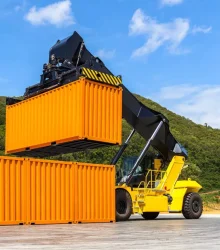
Sea freight is commonly used for larger shipments and containerised cargo. Businesses can use FCL or LCL services depending on their cargo volume.
Air freight can be considered when faster transportation is important or when the shipment is relatively small or time-sensitive.
The appropriate method depends on the shipment’s origin, destination, cargo characteristics, timeline and overall logistics requirements.
International cargo may pass through a seaport or airport before reaching its destination country.
For sea freight, this can involve container handling, vessel coordination, documentation and port procedures. For air freight, cargo moves through airport handling and related documentation processes.
Good coordination at this stage helps connect international freight with the next stage of transportation.
For shipments involving Oman, commercial ports such as Sohar, Salalah and Duqm may form part of the logistics network, depending on the route and cargo requirements.
Customs procedures are an important part of international shipping. The documents required can vary according to the cargo, country of origin, destination and applicable regulations.
Common shipping documents may include:
Businesses should ensure that cargo descriptions, quantities, values and other shipment information are accurate and consistent across the relevant documents.
A logistics provider can coordinate customs-related procedures and documentation support as part of the overall shipping arrangement.
Once cargo has completed the relevant port, airport and customs procedures, it may need to travel to the final delivery location.
This stage is known as inland transportation.
For example, imported cargo arriving at an Oman port may need to move by road to a warehouse, distribution centre or customer’s business location.
Depending on the shipment, inland transportation can also connect warehouses, ports and other logistics facilities before final delivery.
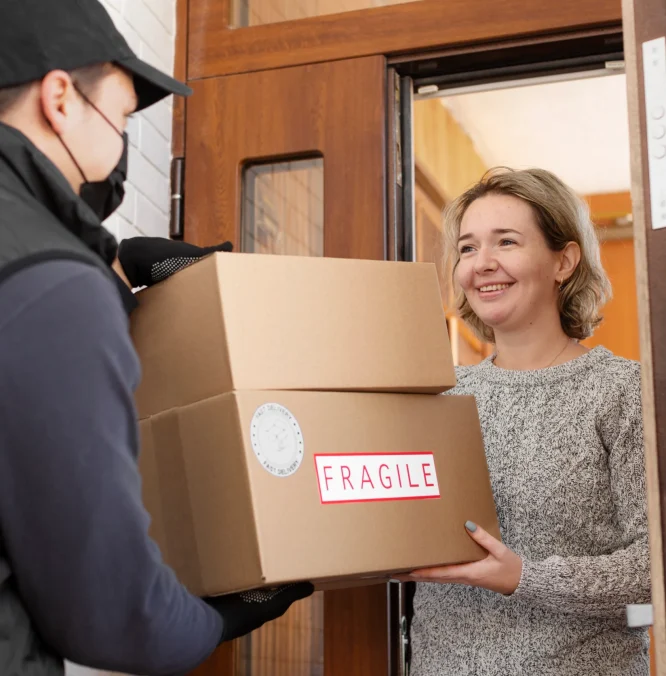
The final stage is delivery to the agreed destination.
The cargo may be delivered to:
Once delivery is completed according to the agreed arrangement, the door-to-door shipment reaches its final stage.
Businesses can benefit from an integrated shipping arrangement in several ways.
Instead of separately arranging pickup, international freight, customs-related activities and final transportation, businesses can coordinate multiple stages through one logistics arrangement.
A coordinated process can make it easier to understand where the shipment is within the logistics chain and what activities are still required before final delivery.
Door-to-door logistics can combine road, sea and air transportation depending on the shipment.
Businesses importing and exporting goods may need logistics support across several countries. Door-to-door shipping can connect suppliers, ports, customs processes and final destinations.
Connecting international freight with inland transportation allows businesses to plan the shipment around the final delivery requirement rather than stopping the logistics process at the port.
One important difference is the scope of responsibility and coordination.
Port-to-port shipping generally focuses on moving cargo between the origin and destination ports. The shipper or consignee may need to arrange transportation before pickup and after the cargo reaches the destination port.
Door-to-door shipping extends the logistics chain to include pickup and final delivery.
For example:
Port-to-Port:
Origin Port → International Freight → Destination Port
Door-to-Door:
Supplier/Warehouse → Origin Transport → Port → International Freight → Destination Port → Customs → Inland Transport → Final Delivery
The suitable option depends on the business’s resources, cargo requirements and preferred level of logistics coordination.
Oman-based importers, exporters and distributors may need to move cargo between international suppliers, Oman ports, warehouses and customers.
A door-to-door logistics plan can connect these stages into one coordinated movement.
For businesses trading with GCC countries, Asia, Africa, Europe and other international markets, the logistics process may combine international freight with road transportation and regional distribution.
The appropriate route depends on the cargo origin, destination, shipping method, delivery schedule and applicable customs requirements.
There is no single fixed price for door-to-door shipping. The final cost can depend on:
Businesses should request a quotation based on complete shipment information rather than comparing only the basic international freight rate.
Marsa Shipping provides logistics solutions covering sea, air and land transportation, along with supporting services such as customs coordination, warehousing, cargo handling and delivery arrangements.
For businesses requiring door-to-door shipping in Oman, the logistics process can be coordinated around the cargo’s origin, destination, transportation method and specific delivery requirements.
Depending on the shipment, Marsa Shipping can support:
This allows businesses to plan their cargo movement as one connected logistics process.
Door-to-door shipping can simplify international cargo movement by connecting the different stages between the supplier and final consignee. However, successful shipment planning still depends on accurate cargo information, appropriate documentation, suitable transportation and coordination between the parties involved.
For businesses shipping to or from Oman, choosing the right logistics arrangement can help connect international freight with customs, inland transportation and final delivery.
If you are planning an international shipment and require door-to-door logistics services in Oman, Marsa Shipping can help coordinate the relevant transportation and supporting logistics requirements.
Contact Marsa Shipping to discuss your shipment details and request a customised door-to-door shipping quotation.
Get the latest shipping and logistics updates delivered to your inbox.
Efficient freight forwarding with end-to-end supply chain solutions for Oman’s trade and logistics.
Copyright © 2026 Click Crafters Technology. All Rights Reserved.